


Mastering Time Management for Gaming and Real Life
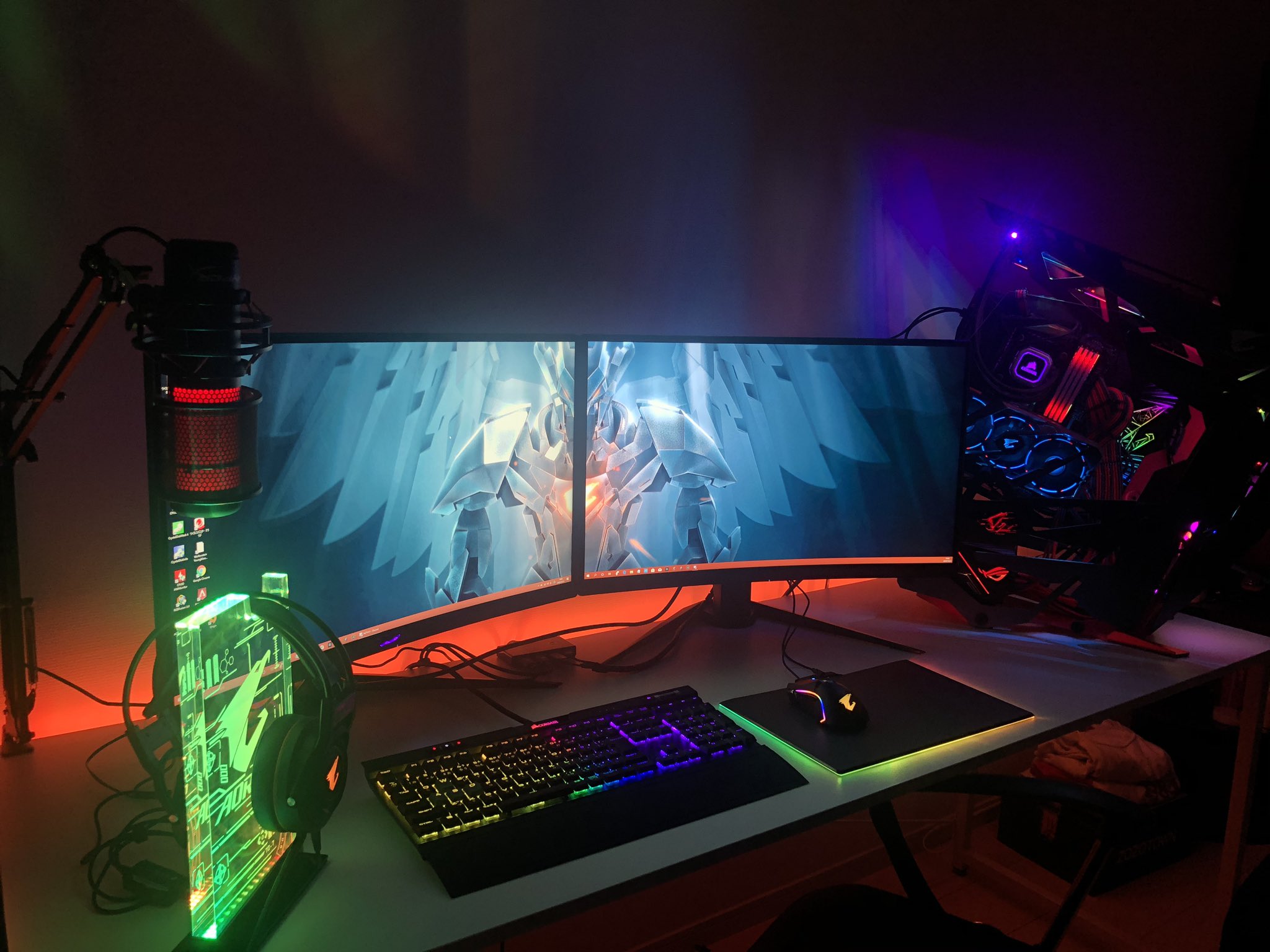
For many gamers, the biggest challenge isn’t finding time to play — it’s making sure gaming doesn’t quietly consume all available time. Unlike movies or TV, games are interactive and often have no clear stopping point. This makes them incredibly immersive, but also tricky to balance with work, studies, and personal responsibilities.
Why Time Management Matters for Gamers
Games are designed to hold attention. Progression systems, ranked ladders, and social play keep you engaged for “just one more match” or “just one more quest.” While that’s great for immersion, it can lead to skipped meals, reduced sleep, or falling behind on important tasks. Understanding this pull is the first step to managing it.
1. Define Gaming as Part of a Bigger Routine
Instead of treating gaming as something you “fit in when possible,” decide where it belongs in your daily schedule. This gives it a proper place in your life rather than letting it fill every free moment by default.
2. Set Clear Boundaries Before You Start Playing
Timers or alarms aren’t just for parents managing kids’ screen time — they work for adults, too. Decide in advance: “I’ll play until 9 PM,” and stick to it. The earlier you set that limit, the easier it is to log off when the time comes.
3. Align Gaming with Priorities, Not Against Them
Finish important tasks first. This flips the mental script — gaming becomes a reward, not a source of guilt. You’ll also enjoy it more knowing there’s nothing hanging over your head.
4. Recognize the ‘Infinite Game’ Problem
Some games, especially live-service titles, never truly end. Accepting that you’ll never “finish” them can reduce the pressure to grind endlessly. Focus on what’s enjoyable today, not an imaginary point of completion.
5. Make Gaming Social or Purposeful
If time is limited, combine gaming with socializing. Multiplayer with friends or cooperative campaigns can turn leisure into connection time, making those hours more valuable.
The Takeaway
Time management for gamers isn’t about cutting playtime — it’s about structuring it so gaming remains a positive, energizing part of life rather than something that competes with it. The goal is balance: enough time to enjoy your favorite worlds without neglecting the real one.


