


Single-Player Games as Modern Storytelling
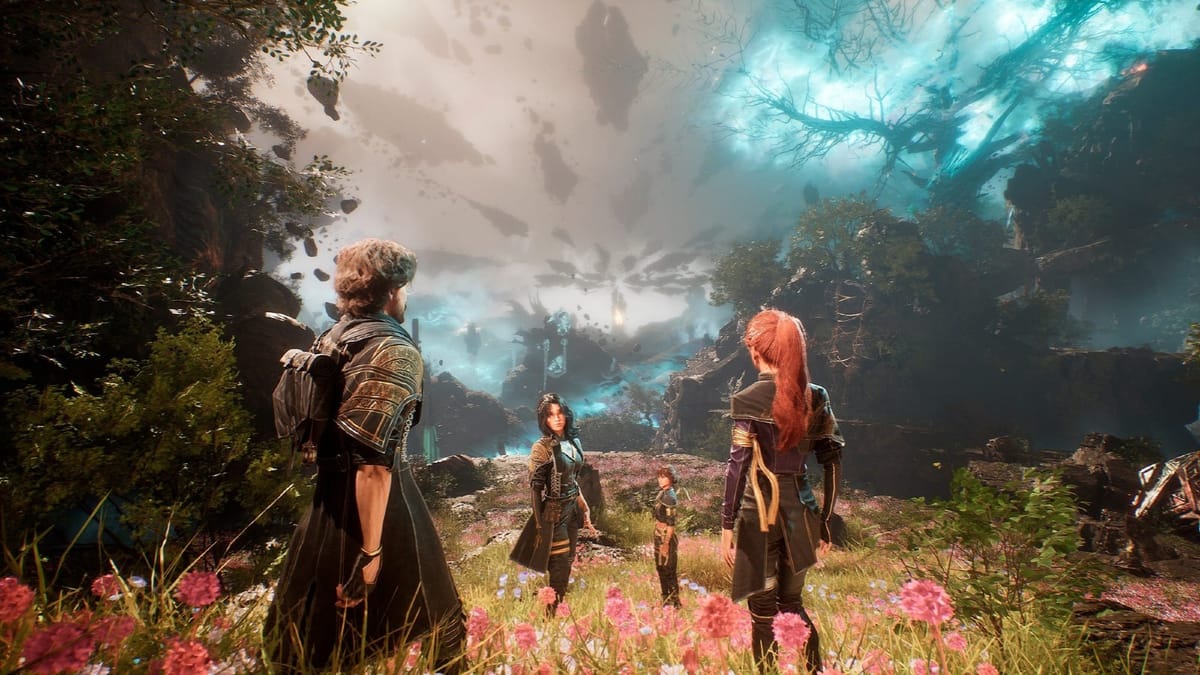
Single-player games have evolved far beyond being simple pastimes — they’re now a legitimate form of storytelling, standing shoulder-to-shoulder with cinema and literature. Their unique advantage lies in agency — your choices shape the journey, making every player’s experience personal.
Immersion Through Choice
In a film, you’re a spectator. In a single-player game like Mass Effect, Detroit: Become Human, or The Witcher 3, you’re the driving force. Dialogue choices, moral decisions, and even combat styles all influence the story’s direction. That interactivity deepens emotional engagement, because you’re not just watching events unfold — you’re causing them.
World-Building You Can Live In
Books can describe a setting, and films can show it — but games let you explore it. The forests of Skyrim, the dusty towns of Red Dead Redemption 2, or the futuristic streets of Cyberpunk 2077 aren’t just backgrounds — they’re spaces where you move, investigate, and connect with characters.
Emotional Weight of Consequences
When a decision you make leads to a character’s death or alters the fate of a city, the impact hits harder because it was your action — or inaction — that caused it. That ownership of the narrative is unique to gaming.
Why It Matters
As technology advances, the line between game and interactive cinema will continue to blur. Single-player games aren’t “competing” with other storytelling mediums — they’re expanding what storytelling can be. For players, that means richer narratives, deeper emotional connections, and experiences no other medium can replicate.


