


How Input Lag Works and Why It Matters
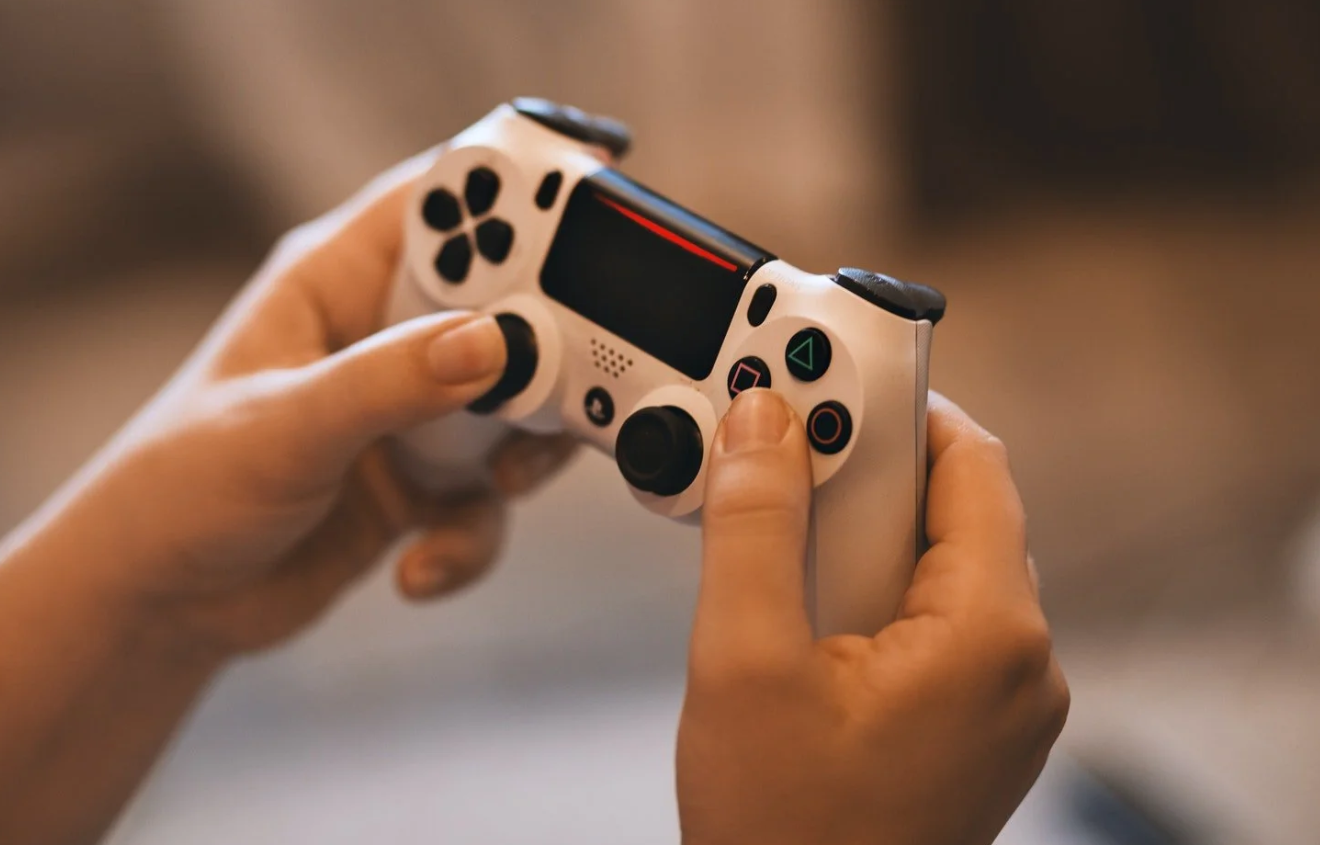
When we first switched from a casual 60Hz TV to a 144Hz gaming monitor, we thought the upgrade was mostly about visuals. But what surprised us most wasn’t the sharper image — it was how much more immediate every action felt in-game.
What Changed?
We had unknowingly reduced input lag — the invisible delay between pressing a button and seeing the result on-screen. Even a fraction of a second makes a huge difference in how responsive a game feels, especially in competitive titles.
The Technical Side
Input lag can come from several sources:
-
Your display’s refresh rate and response time
-
Wireless controller or mouse signal delay
-
Network latency in online games
Why You Should Care
Smoother input means greater precision. For competitive shooters, fighting games, or speedrunning, reduced lag directly impacts performance. Even for casual play, the difference is noticeable and makes the experience more satisfying.
How We Reduced It
-
Switching to wired peripherals for instant signal transmission
-
Enabling Game Mode on the display to bypass unnecessary processing
-
Moving to a 144Hz+ refresh rate with a 1ms response time monitor
So, bear in mind, reducing input lag transforms not just competitive gaming, but everyday play. Once you feel that instant response, it’s hard to go back.


